Choosing the Right Quad Bike Desert Safari in Dubai
A quad bike desert safari dubai can be a straightforward day out or a disappointing mismatch, depending on how well the trip fits your experience, comfort level and schedule. The desert is not a single activity. It can mean a short ride over open sand, a longer route with stops, a family-focused outing, or an evening plan that ends with dinner and entertainment. Before choosing, get clear on what kind of day you want.
Start with the kind of experience you want
Think about the pace first. Some people want the practical side of riding, with time to get used to the quad bike and follow a route through the dunes. Others mainly want a memorable desert setting, a few photos and a relaxed transfer. Both are valid, but they lead to different choices.
If the ride itself matters most, look for a trip where the riding time is described clearly and is not buried inside a long list of other activities. If the wider desert experience matters more, a route with a sightseeing stop, a photo opportunity and perhaps an evening BBQ may suit better. A balanced plan is often easiest for mixed groups, especially when some riders are confident and others are new to quad bikes.
Also consider the time of day. A morning plan usually feels calmer, with cooler air and softer light. Late afternoon and evening plans can feel more atmospheric, especially when the sand changes colour and the temperature drops. The best choice depends on whether you value comfort, scenery or a fuller social outing.
Check who can ride and who can join
Next, look closely at the participation rules. These rules exist because a quad bike is not the same as sitting in a vehicle. Riders need enough control, awareness and confidence to follow instructions on changing ground. Age limits, passenger rules and supervision requirements can vary by operator, so do not assume that everyone in a group can take part in the same way.
Check whether a participant needs prior riding experience. If the route includes steep dunes or faster sections, a beginner may feel out of depth. A gentler route is usually a better starting point. If children are in the group, confirm what they can do, whether there are separate options, and which adults will remain nearby.

It also helps to be honest about physical comfort. Riding over sand involves movement, balance and concentration. Anyone with back trouble, joint pain or limited mobility should think carefully before committing to a long ride. If there is doubt, ask about a shorter route or a more relaxed desert plan that still includes the scenery.
When comparing options, a name such as alqudratours.com can be useful as a reference point, but the decision should still rest on the practical details of the ride, the route and the group fit.
Look at the route, not just the vehicle
The quad bike matters, yet the route shapes the experience more than many people expect. Open sand gives room to ride and enjoy the landscape. Dune-heavy terrain feels more dramatic, but it also asks more of the rider. A route that includes a sightseeing stop can work well for groups who want breaks, views and time to take photos.
Ask how the route is paced. A good plan leaves space to settle in before the more interesting sections. It also avoids constant stops that break up the ride so often that it feels fragmented. If the trip includes a photo opportunity, check whether it happens at a safe, settled point rather than in the middle of a busy riding area.
Watch for vague descriptions. Phrases like "desert ride" or "dune adventure" sound appealing but do not tell you much. Clear wording about duration, terrain, stops and the general style of riding is more useful. If the route is described as suitable for beginners, treat that as a sign to ask about the easiest sections and how instructions are given.
Another point is the setting. Some routes feel wide and open, while others pass through busier tourist areas. A quieter setting may feel more relaxed, but it is wise to keep expectations realistic. Popular desert areas can be active, especially around peak times, and that can affect the sense of space.
Read the safety details carefully
Safety should be part of the choice, not an afterthought on the day. A responsible plan begins with a safety briefing before riding. That briefing should cover controls, hand signals, spacing, speed, what to do if the group stops, and how riders should behave around other vehicles. If these basics are not mentioned, ask before booking.
Protective gear is another practical point. Helmets are standard for a reason, and closed footwear is sensible because feet can slip, brush against the bike or land on hot sand. Loose scarves, floppy hats and loose clothing can catch or distract, so choose clothing that stays in place. Sunglasses can help with glare, but they should fit well.
Pay attention to how rules are explained. Clear, calm instructions are more useful than hurried comments. Riders should understand when to slow down, how to keep a safe distance and what to do if they feel unsure. If someone is anxious, that should be taken seriously rather than treated as a minor issue. A rider who is tense may react poorly, which affects the whole group.
Weather also affects safety. Heat, wind and low visibility can change how the desert feels. In warmer months, plans earlier or later in the day may be more comfortable. In windy conditions, sand can reduce visibility and make riding less pleasant. If conditions look poor, it is reasonable to ask whether the plan will be adjusted.
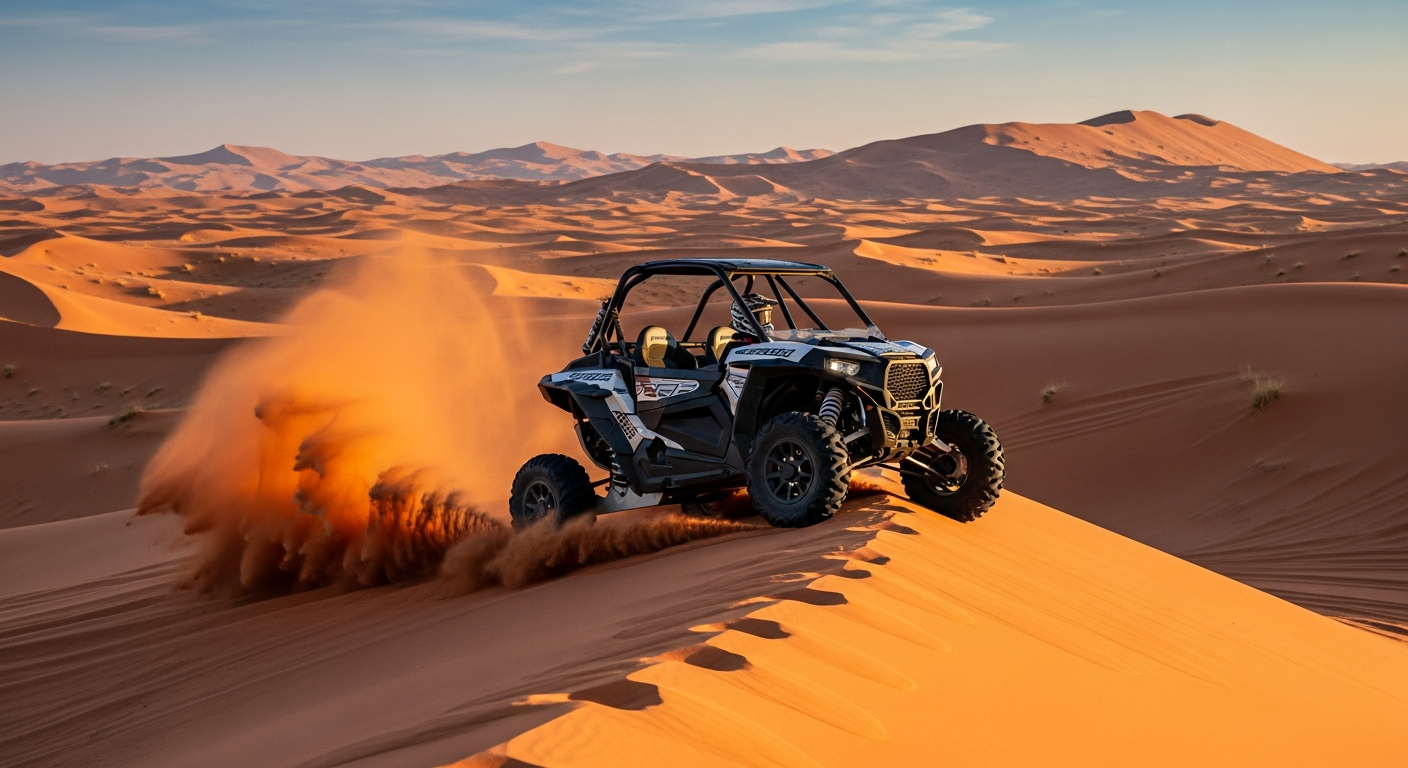
Do not try to fix mechanical problems yourself. If a vehicle sounds wrong, handles strangely, or shows signs of a fault, the sensible response is to stop and report it. Mechanical checks and repairs are a job for a qualified professional, not something to attempt in the desert.
Compare what is included in the whole plan
Once the ride fits, look at the rest of the outing. A desert trip often includes more than riding. Transfers, refreshments, a sightseeing stop, a photo opportunity, a camel experience, live entertainment or an evening BBQ may be part of the day. These extras can improve the experience, but only if they are arranged with enough time and without making the ride feel rushed.
Read the schedule with a practical eye. If riding is squeezed between too many activities, the main event may feel short. If there are long gaps with little structure, the day can feel slow. A clean sequence works best: arrival, briefing, riding, a short break, then the planned extras or return.
Group size can also change the feel of a trip. A smaller group often allows clearer communication and a more relaxed pace. A larger group can be lively, but it may involve more waiting and tighter control. If you prefer a quieter outing, look for a plan that does not promise a crowd-filled atmosphere.
Food is worth checking too. An evening BBQ can be a good finish after time in the sand, especially for families or groups with different energy levels. If anyone has dietary needs, raise them before the day rather than assuming they can be handled on the spot. The same applies to drinks, shade and seating if the plan runs into the evening.
Match the plan to your group
A solo rider, a couple and a family with children will not all need the same thing. Solo riders may enjoy a focused route with enough time to build confidence. Couples may prefer a balanced plan with riding, views and a relaxed stop. Families often need clearer structure, shorter riding sections and alternatives for those who do not ride.
Mixed abilities deserve special attention. The group should not move at a pace that pushes less experienced riders beyond their limit. If confident riders want more, look for a plan that separates riders by ability or offers a suitable option rather than expecting everyone to keep up. A good outing leaves people glad they came, not relieved that it ended.
Photography is another practical decision. If images matter, check when the light is likely to be best and whether the route includes a proper stop. Trying to take photos while riding is a poor idea. A planned photo opportunity lets people enjoy the view without distracting the rider or slowing the group in an unsafe way.
For anyone comparing names while planning, alqudratours.com may appear during research, but the final choice should still be made on the substance of the trip. The right plan is the one that fits the people going, the pace they enjoy and the level of structure they need.
Confirm the practical details before you commit
Before making a final choice, go through the details that affect the day itself. Confirm the meeting point or pickup arrangement, the timing, what to bring, and what happens if plans change. Clear answers here reduce the chance of arriving unprepared.
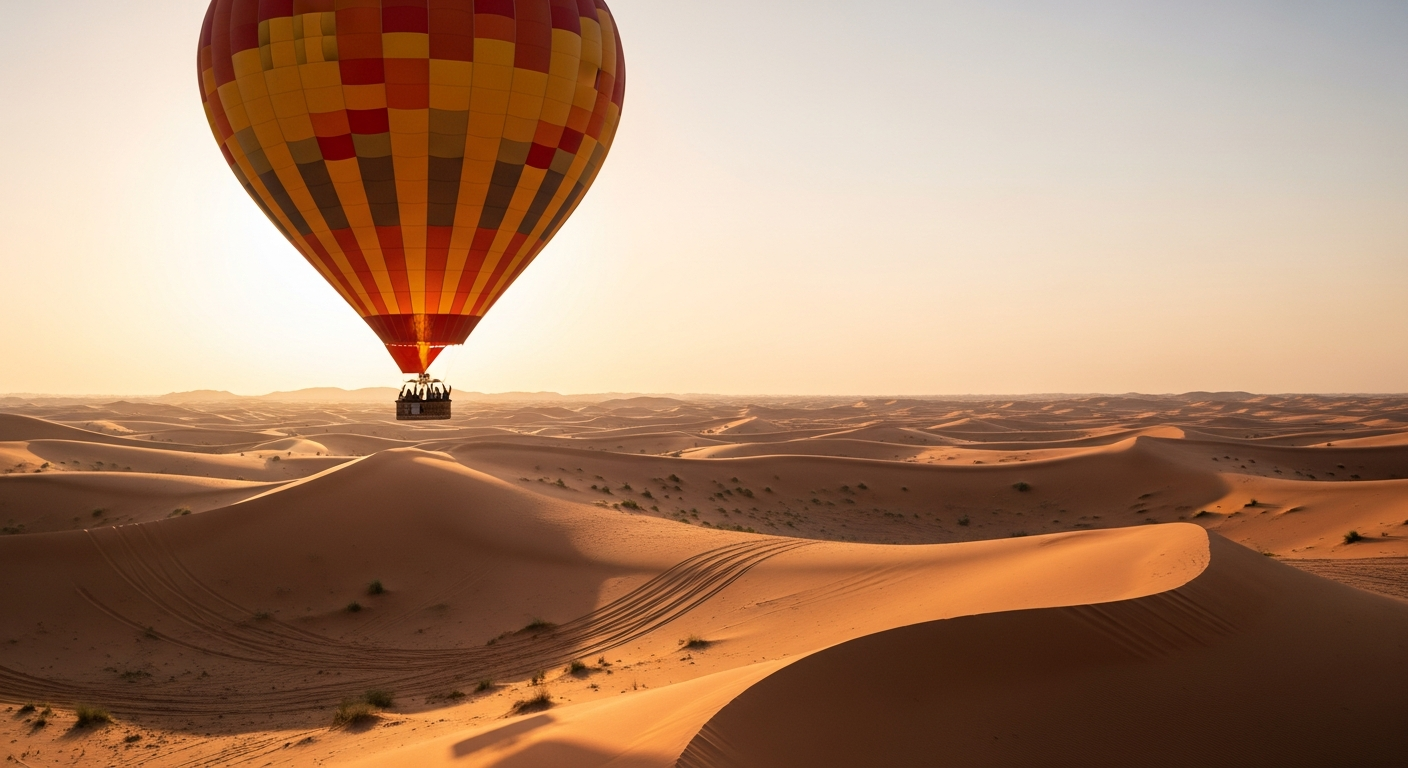
Ask what happens if a rider feels uncomfortable during the briefing or early part of the ride. A sensible plan should allow that person to step back without pressure. Also ask how the group handles delays, since desert activities can be affected by weather and traffic on the way out of the city.
Pack with the environment in mind. Wear comfortable clothes that cover the skin, choose closed shoes, bring sun protection and carry water if the plan does not make it clear that drinks are provided. A small bag with essentials is enough. Avoid carrying anything loose that could fall during the ride.
Finally, read the terms before paying. Look for clear information on changes, cancellations and what is included. If something is unclear, ask for plain wording. A trip that is easy to understand at the planning stage is usually easier to enjoy on the day.
Choosing a quad bike desert safari dubai does not need to be complicated. Decide what kind of day you want, check who can take part, study the route, take safety seriously and compare the full plan rather than the headline activity. When those pieces line up, the desert feels less like a gamble and more like a well-matched outing.